
Precise. Durable. Grinding equipment made for continuous operation.
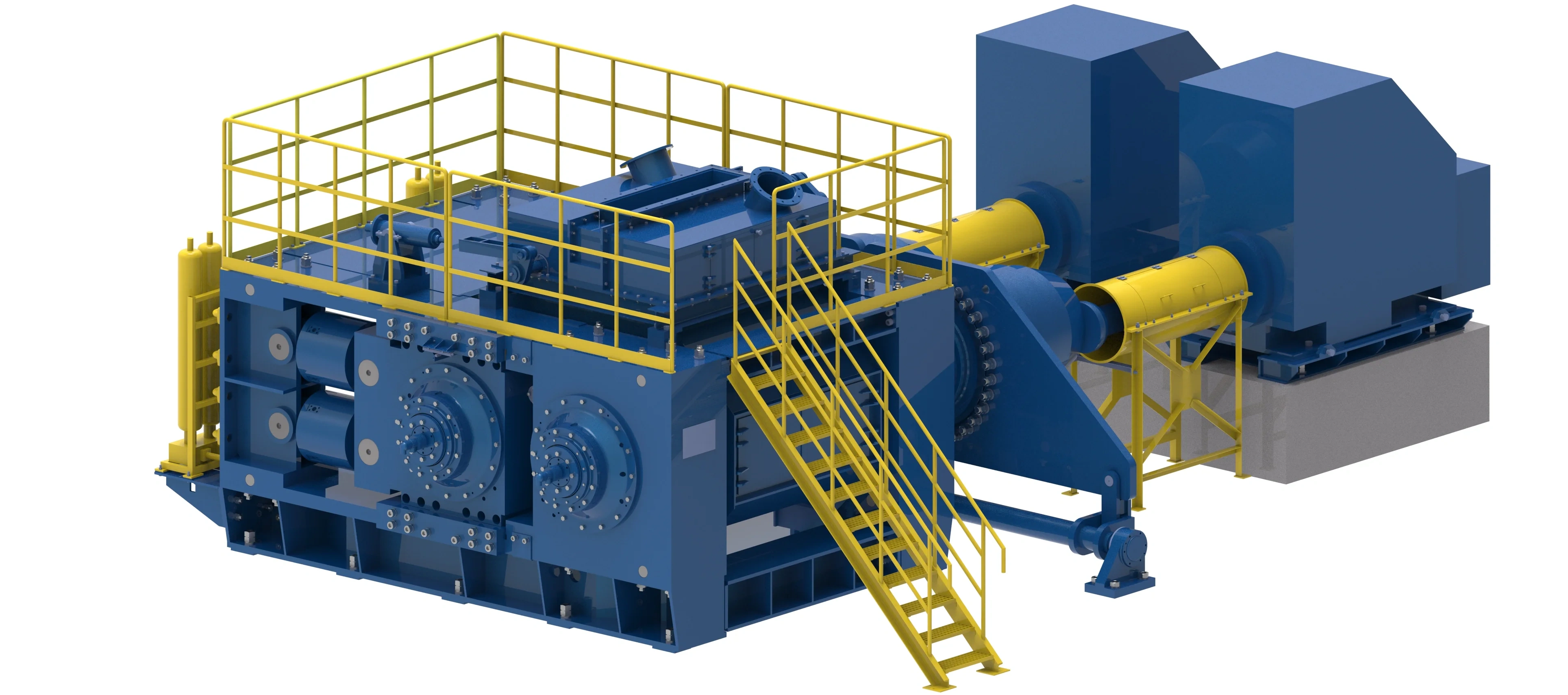
Roller Press
The INNORP roller press is a high-efficiency grinding machine based on bed comminution. It is used for cement, raw meal, slag, steel slag, ore, and other industrial materials, helping increase system output and reduce grinding energy consumption.
Product features
- Roller diameter range: 1000–2400 mm
- Installed power: 2 × 110 kW – 2 × 3000 kW
- High-pressure bed grinding
- Stable heavy-duty operation
- Strong frame stiffness
- High load capacity, up to 5500 kN/m2
- Automatic control based on equipment feedback
- Long roller surface life with hardfacing or studded options
Application scenarios
- Cement grinding systems
- Raw meal grinding systems
- Slag and steel slag grinding systems
- Raw ore and mineral material grinding systems
- High-efficiency grinding systems for other industrial materials
Delivery scope
- Feed gate
- Roll cover
- Drive unit
- Cylindrical roller bearings
- Hydraulic cylinder
- Hydraulic pressing device
- Machine frame
- Service platform
Useful inputs
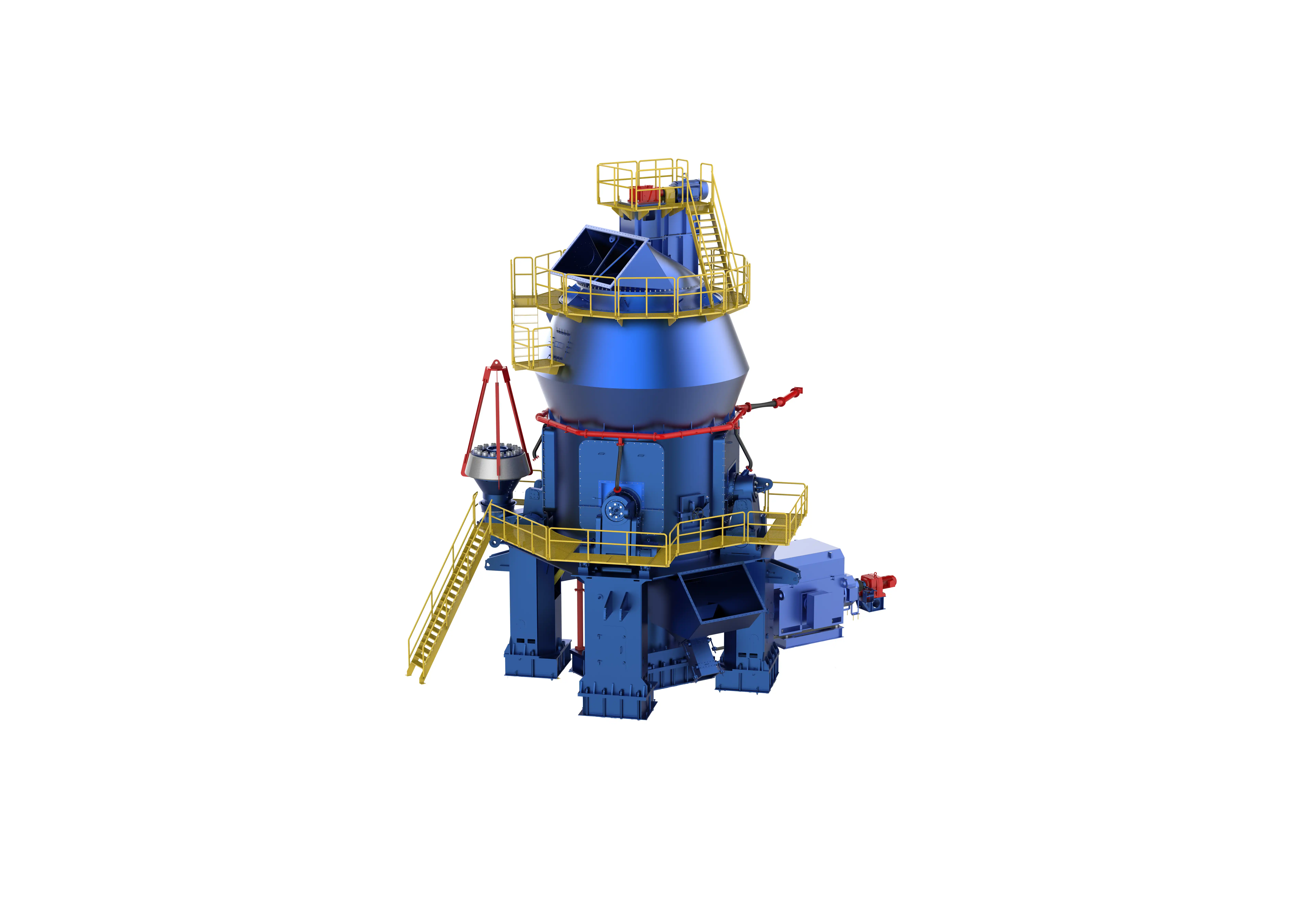
Vertical Roller Mill
The vertical roller mill is a large grinding machine developed, designed, and manufactured through years of R&D. With reliable structural design and advanced process flow, it integrates drying, grinding, separation, and conveying, and can be used for different materials and production scales.
Vertical roller mills are widely used in cement, power, metallurgy, chemical, coal, and related industries.
Product features
- Raw Meal: 80–1250 t/h, Fuel: 10–150 t/h, Cement: 35–450 t/h
- Slag: 25–350 t/h, Limestone Powder: 10–125 t/h
- Installed Power: 132–10000 kW
- Automatic roller lifting and lowering allow no-load start-up.
- Each grinding roller is independently pressurized. Partial roller operation is possible; for example, when two rollers of a four-roller mill operate, output can still reach 60%-70% of rated capacity.
- Centralized lubrication for roller bearings ensures lubrication quality and long bearing life.
- Optimized separator guide vanes and rotor blade design improve separation efficiency.
- Strong drying capacity: cement kiln exhaust gas can normally dry 7%-10% moisture, while auxiliary heat sources can dry more than 20% moisture.
Application scenarios
- Raw meal grinding systems
- Cement finish grinding systems
- Slag and steel slag grinding systems
- Limestone and mineral powder grinding
- Coal or petcoke grinding systems
- New grinding stations
- Capacity upgrade and energy-saving retrofit projects
Delivery scope
- Mill selection and configuration
- Grinding system layout support
- Main equipment and auxiliary components
- Hydraulic, lubrication, sealing, drive, and control interfaces
- Separator and airflow system configuration
- Wear parts recommendations
- Installation and commissioning support
- O&M documentation
Useful inputs
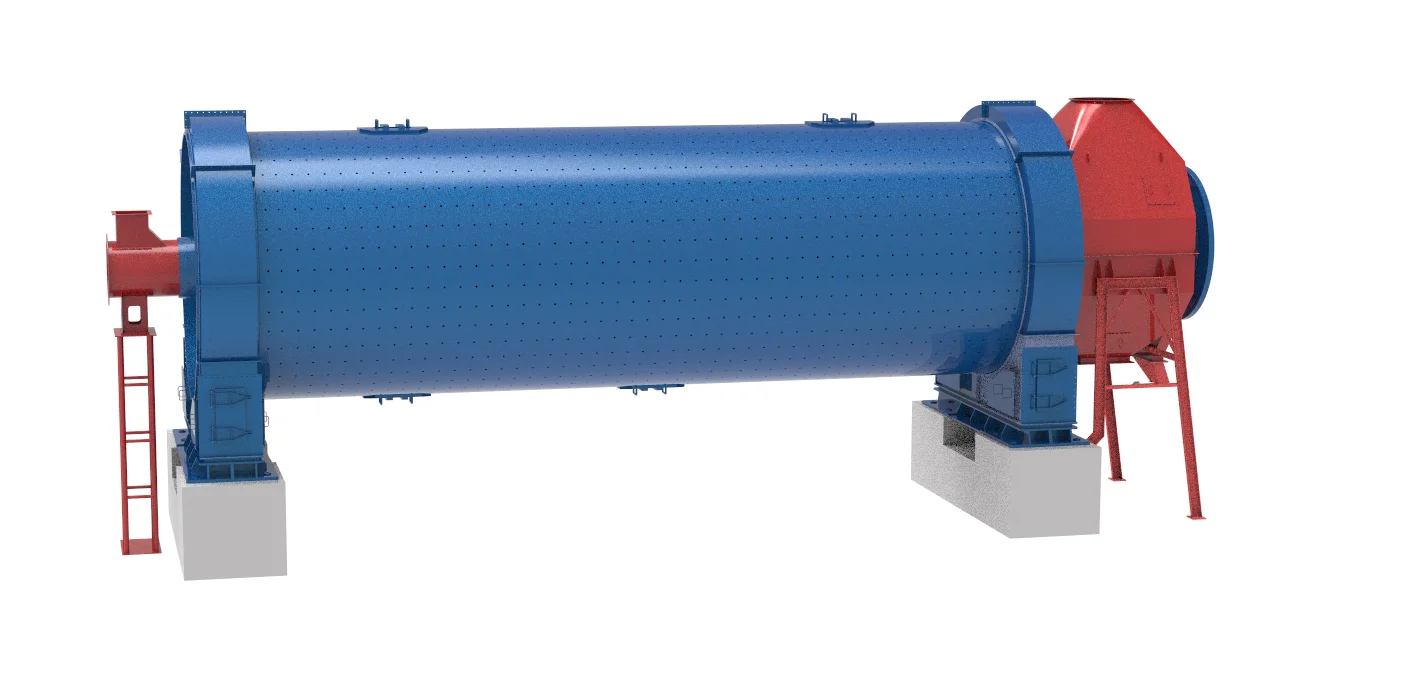
Ball Mill
The INNOBM ball mill is a traditional grinding machine used in cement, metallurgical beneficiation, power generation, and other industries. It has strong adaptability to various materials and a certain drying capability. The equipment features low failure rate, stable operation, and reliable safety performance.
Product features
- Multiple product types, including dry ball mills and wet ball mills.
- Multiple drive options, including central drive, edge drive, and single-side double drive.
- Multiple support options, including double-bearing support and double-slide-shoe support.
Application scenarios
- Cement grinding systems
- Raw meal grinding systems
- Slag and mineral grinding systems
- Metallurgical beneficiation grinding
- Power plant material grinding
- Dry and wet grinding applications
- New grinding station projects
- Capacity upgrade and retrofit projects
Useful inputs
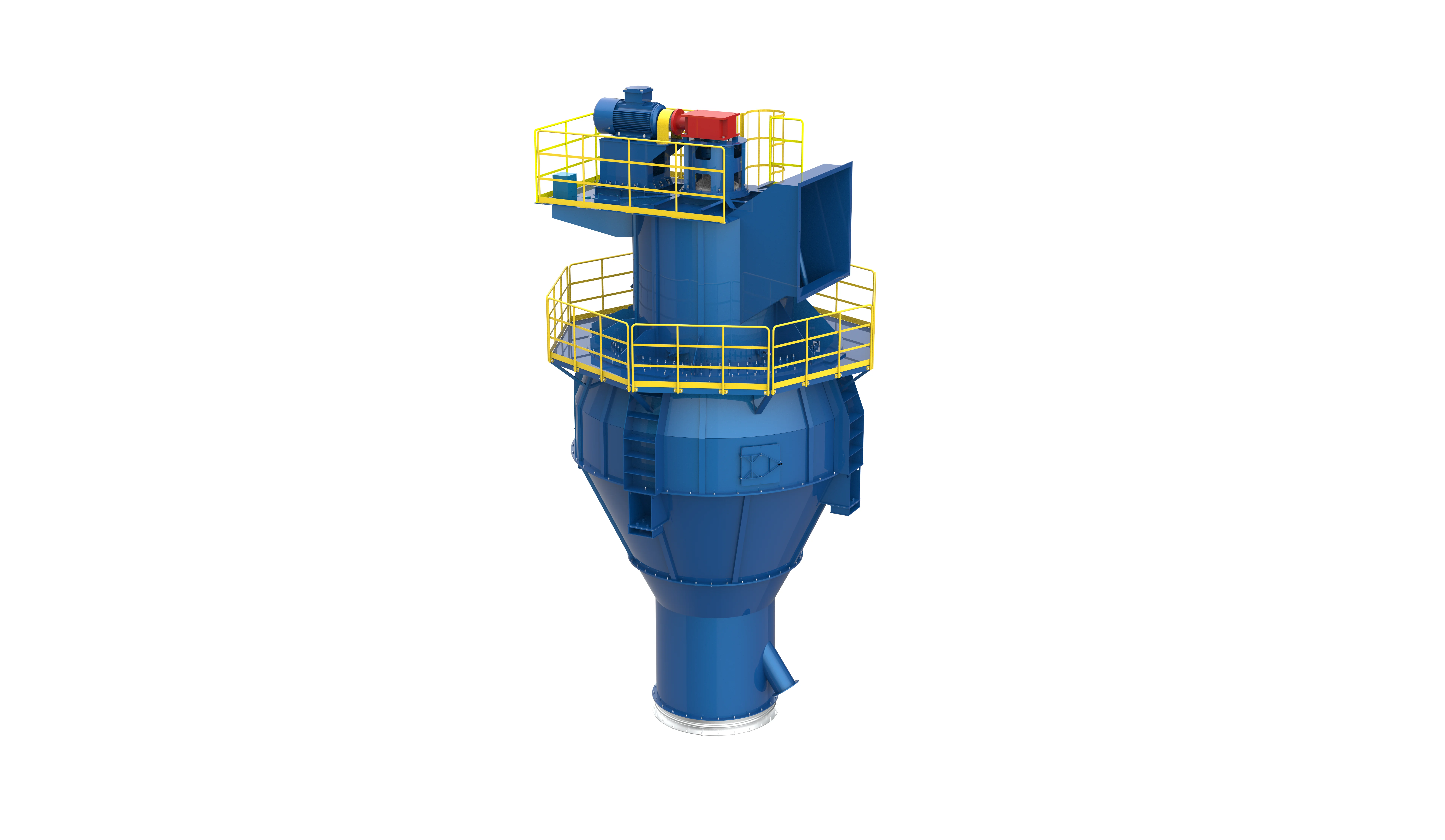
Dynamic Separator
The INSEP Dynamic Separator is a high-efficiency powder classification machine based on the horizontal vortex principle. It is widely used for classification in the cement industry and other industrial powder applications. It features high output, low energy consumption, large handling capacity, and simple operation and maintenance.
Performance Data
- Feed particle size: ≤0.5 mm
- Capacity: 50–580 t/h
Application scenarios
- Cement grinding
- Raw meal grinding
- Fuel grinding
- Sand and aggregate materials
- New materials
- Dry-mix mortar
- Ceramics
Useful inputs
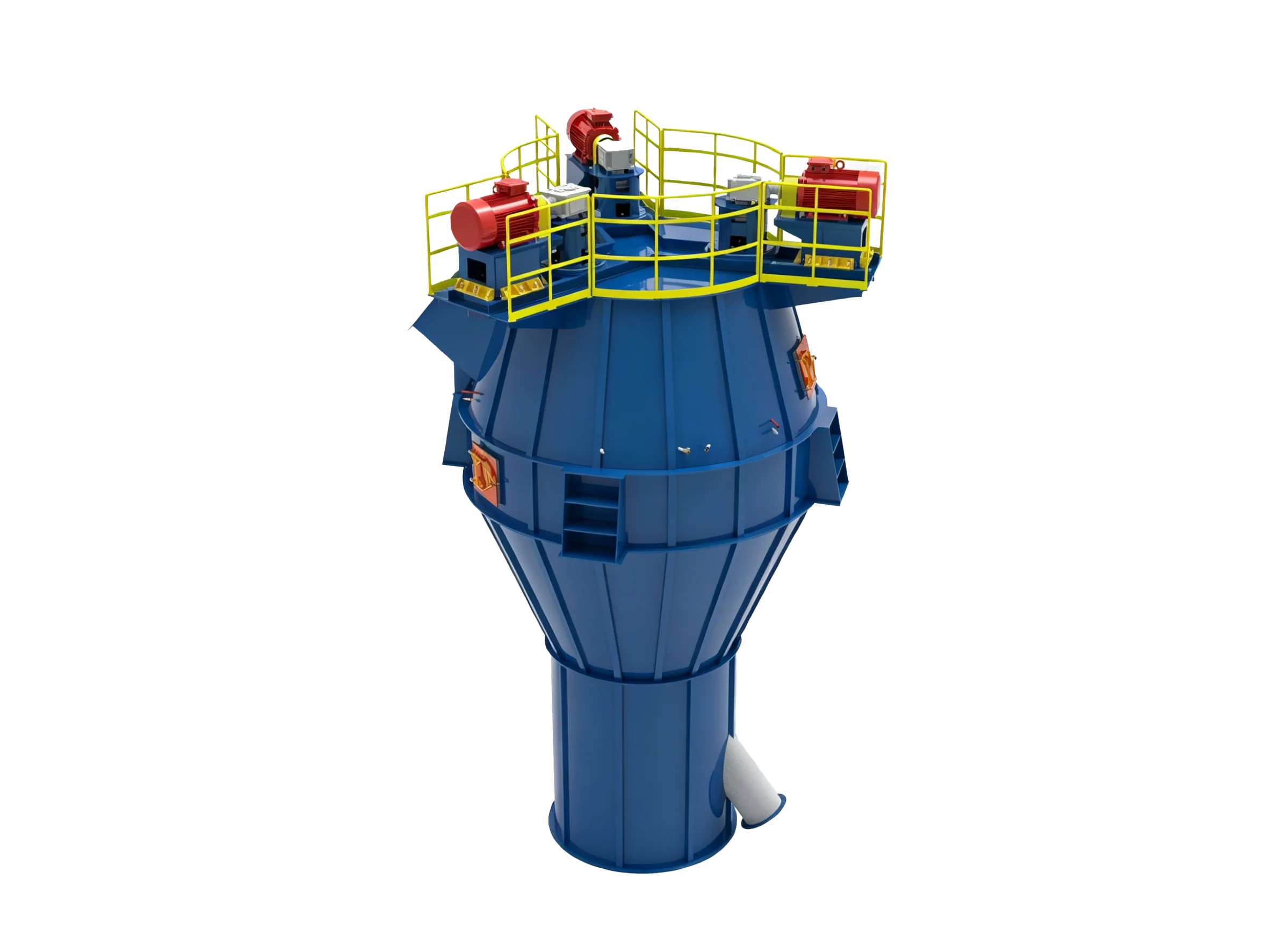
Multi-Rotor Separator
The INSEP Multi-Rotor Separator can be used in roller press finish grinding systems. Multiple rotors are arranged inside the separator to improve product particle size distribution and cement performance.
Performance Data
- Feed particle size: ≤0.5 mm
- Capacity: 100–450 t/h
Application scenarios
- Cement grinding
- New materials
Useful inputs
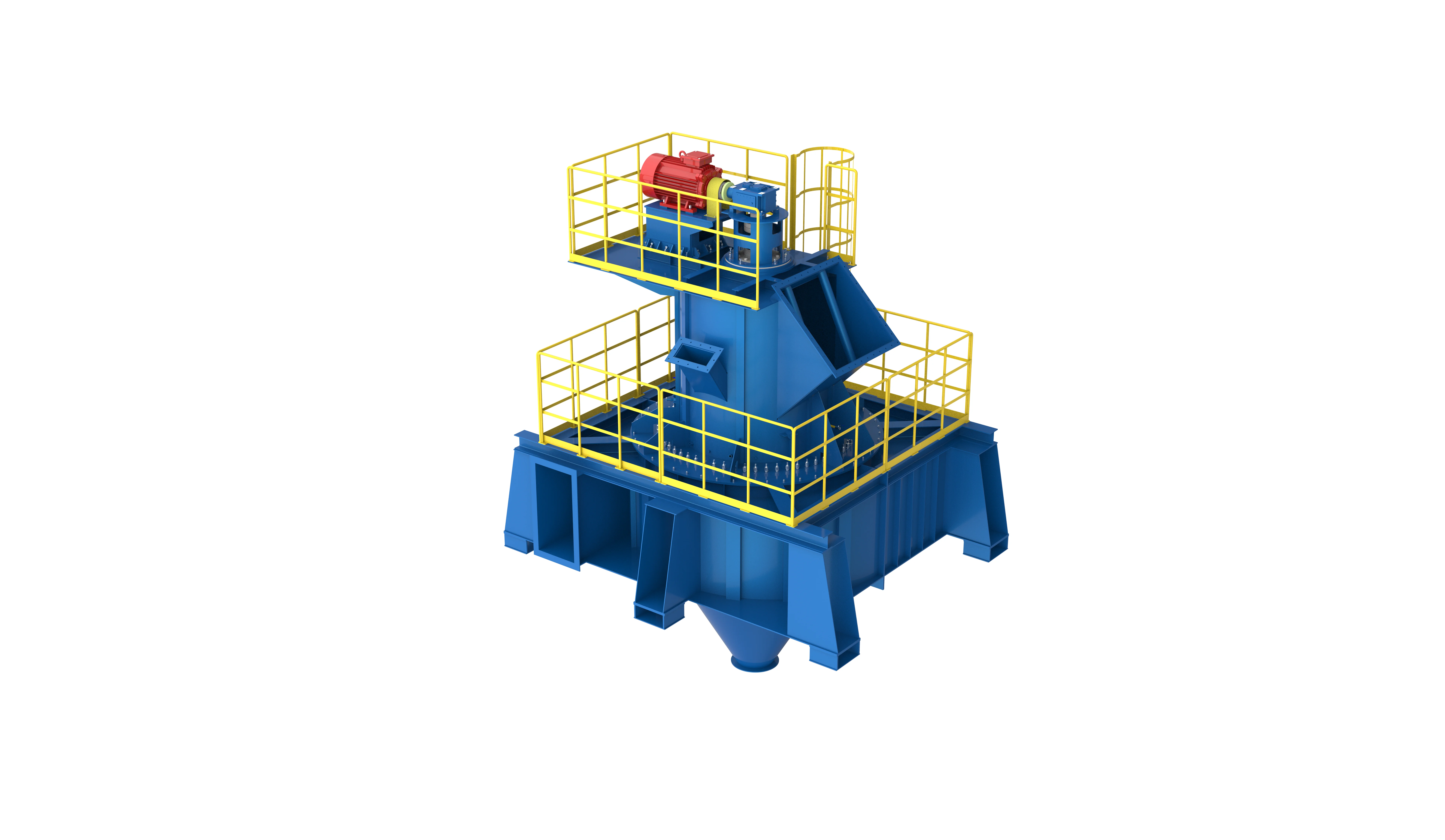
Dynamic Separator
The INDYN Dynamic Separator is a new powder classification machine developed and upgraded based on the horizontal vortex principle and production practice. It is widely used for classification in the cement industry and other industrial powder applications. It features high output, low energy consumption, large handling capacity, and simple operation and maintenance.
Performance Data
- Feed particle size: ≤0.1 mm
- Capacity: 45–900 t/h
Application scenarios
- Cement grinding
- New materials
- Dry-mix mortar
- Ceramics
Useful inputs
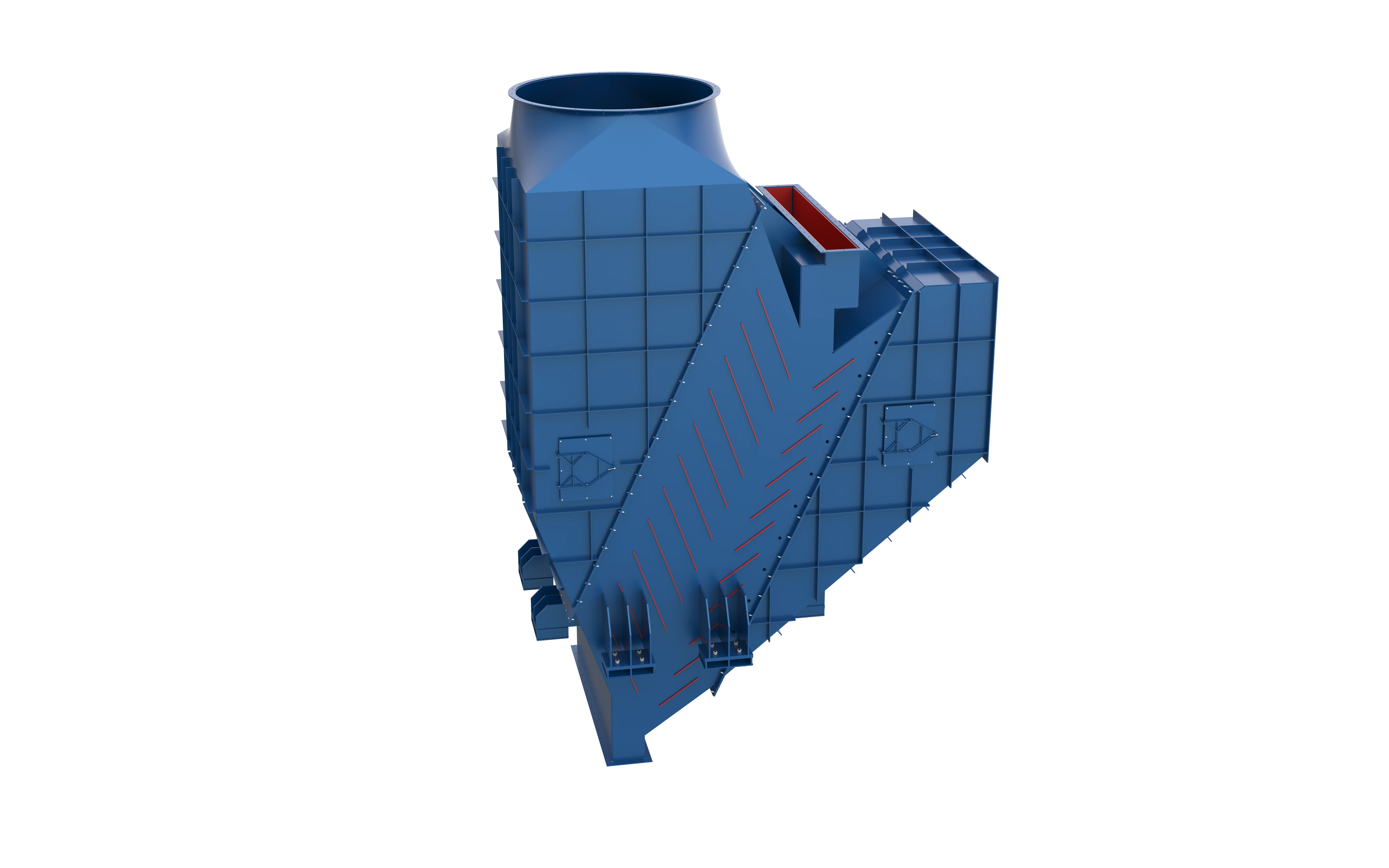
Static Separator
The INSTA Static Separator is mainly used for coarse material classification. It requires no drive power and uses velocity differences in gradient airflow to disperse and classify materials, achieving high classification efficiency.
Performance Data
- Feed particle size: ≤25 mm
- Capacity: 150–1600 t/h
Application scenarios
- Cement grinding
- Aggregate plants
- Mining
- Coal mining
- Concrete batching plants
- Dry-mix mortar
- Quartz sand
Useful inputs